Patients who have been told their upper jaw does not have enough bone for an implant usually come back with the same question, bone graft or sinus lift, and which one do I actually need? The two procedures are often mentioned together, and both rebuild bone before implant placement, but they solve different problems in different parts of the jaw. This article explains how the surgeon decides, what each procedure involves and how the choice affects your treatment timeline.
Table of Contents
Bone graft or sinus lift?
The short answer is that the location of the missing bone decides. A bone graft rebuilds the width or height of the jaw ridge itself and can be done anywhere in the mouth. A sinus lift is used only in the upper back jaw, where the sinus cavity has dropped down after tooth loss and left too little bone height beneath it. Choosing bone graft or sinus lift is therefore not a matter of preference, the 3D scan shows which structure is missing and the surgeon plans accordingly. The scan answers three questions before anything else is decided:
Don't Delay Your Treatment
Let's create your personalised treatment plan right away with a complimentary consultation with our specialist dentists.
- How much bone height is left between the ridge and the sinus floor?
- Is the ridge wide enough to hold an implant of the correct diameter?
- Are the missing teeth at the back of the upper jaw or elsewhere?
If the ridge is thin but the sinus is not involved, a standard graft is enough. If the sinus has expanded downwards, only a lift can create the height an implant needs. In some patients the answer to bone graft or sinus lift is both, because the ridge is thin and the sinus is low at the same time, and the surgeon combines the two in one visit.
What is the difference between a bone graft and a sinus lift?
A bone graft adds material directly onto the existing jawbone. The surgeon opens the gum, places bone granules or a small block against the ridge, covers it with a membrane and closes the gum. The technique is used for single missing teeth, for old extraction sites that have shrunk and for preparing the lower jaw, where there is no sinus to consider.
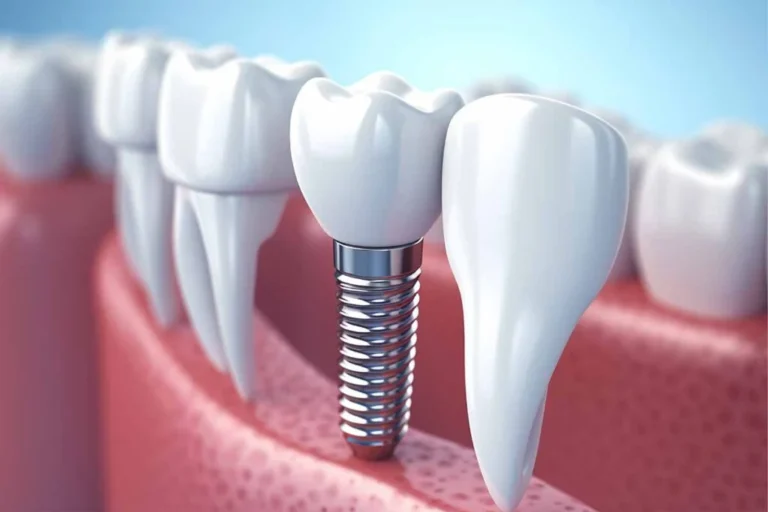
A sinus lift works from below the sinus rather than on the ridge. The surgeon creates a small window in the side of the upper jaw, gently lifts the thin membrane that lines the sinus and fills the space beneath it with graft material. The sinus itself is not entered, it is simply moved upwards a few millimetres. Our bone graft and sinus lift page describes both techniques in more detail, but the key point when weighing bone graft or sinus lift is that one rebuilds the ridge and the other reclaims space from the sinus.
When is a bone graft the right choice?
A graft is the answer whenever the ridge is the problem. After a tooth is removed the socket heals, but the bone around it slowly shrinks, and within a few years the ridge can become too narrow for an implant. This happens in the lower jaw as often as in the upper jaw, and it is the most common reason a patient is asked to wait before dental implants can be placed. Typical situations where a graft alone is enough include the following:
- A single front tooth lost years ago, where the ridge has flattened.
- A lower back tooth site that is wide enough in height but too narrow.
- Bone lost to gum disease around teeth that have now been removed.
- An extraction done on the same day, where the socket is filled to preserve bone.
In all of these cases the sinus is not involved, so the question of bone graft or sinus lift does not really arise. Healing takes three to six months depending on the size of the graft, and we explain the stages in our article on how long a bone graft takes to heal.
Don't Delay Your Treatment
Let's create your personalised treatment plan right away with a complimentary consultation with our specialist dentists.

When is a sinus lift the right choice?
A lift is needed when an upper molar or premolar has been missing for some time and the sinus has expanded into the space the root used to occupy. On the scan this shows as only a few millimetres of bone between the ridge and the sinus floor, which is not enough to anchor an implant safely. No amount of grafting on the ridge would solve this, because the missing height is above the ridge, not beside it. This is the clearest case where bone graft or sinus lift has only one sensible answer.
When there is still a reasonable amount of bone, the surgeon can sometimes lift the sinus through the implant site itself and place the implant at the same visit. When the bone is very thin, the lateral window technique is used and the implant follows after four to six months. Patients deciding between bone graft or sinus lift for the upper back jaw are almost always in the second group, and the scan makes the choice clear.
Can a sinus lift and a bone graft be done together?
Yes, and it is more common than patients expect. When the upper back jaw is both narrow and short, the surgeon lifts the sinus and widens the ridge in the same appointment, using the same graft material. Combining the two avoids a second surgery and keeps the total healing time close to that of a sinus lift alone. For patients with extreme bone loss in the upper jaw, zygomatic dental implants can sometimes avoid grafting entirely, and this option is discussed when the scan shows very little bone to work with.
Does bone graft or sinus lift change the treatment timeline?
Both procedures add a healing period before the implant, but the length differs, so the bone graft or sinus lift decision also sets how many trips you need. A small ridge graft may allow the implant after three months, while a lateral sinus lift usually needs four to six months. For international patients this means two trips rather than one, and the plan should state clearly which visit includes surgery and which includes implant placement. The practical differences that matter when you plan travel are these:
- A graft in the lower jaw usually has the shortest healing time.
- A sinus lift with immediate implant placement can shorten the plan by one visit.
- A lateral window lift needs the longest healing before the implant.
- Combined procedures follow the sinus lift timeline, not the graft timeline.
Whichever route is chosen, the healing rules are the same, no smoking, soft food for the first week and no pressure on the site. Patients who ask about bone graft or sinus lift often want to know which is quicker, and the honest answer is that the anatomy decides the timeline, not the procedure name. Our article on All-on-4 with bone loss covers the full arch situation, where angled implants can sometimes avoid both procedures.
Don't Delay Your Treatment
Let's create your personalised treatment plan right away with a complimentary consultation with our specialist dentists.
How do I know whether I need a bone graft or sinus lift?
You cannot tell from the mirror, and even a standard 2D X-ray only gives part of the picture. A cone beam CT scan shows the ridge width, the bone height and the position of the sinus floor in millimetres, and it takes less than a minute to capture. If you already have a scan from your own dentist, sending it before you travel lets the surgeon answer the bone graft or sinus lift question in advance, so the first visit can include the surgery itself rather than just the assessment.
At the consultation the surgeon explains which procedure is planned, why, and what healing period to expect, all in writing. A clinic that gives the same answer to every patient without a scan is a warning sign, because the decision genuinely varies from one jaw to the next. With the scan in hand, the choice between bone graft or sinus lift becomes a straightforward technical decision rather than a source of anxiety.
Is a sinus lift more painful than a bone graft?
No, both are done under local anaesthetic and feel similar. A sinus lift can cause slightly more swelling and a blocked nose feeling for a few days, which settles on its own.
Can I avoid both a bone graft and a sinus lift?
Sometimes. Short implants, angled implants in full arch cases or zygomatic implants can bypass grafting, but only the scan shows whether these options are safe for your jaw.
How long after a sinus lift can the implant be placed?
When the implant is placed at the same time as the lift, the crown follows after healing. When the lift is done first, the implant is usually placed four to six months later.
Does a bone graft or sinus lift affect flying home?
Flying is safe after both procedures. After a sinus lift most surgeons suggest waiting a few days and avoiding blowing your nose forcefully during the flight.