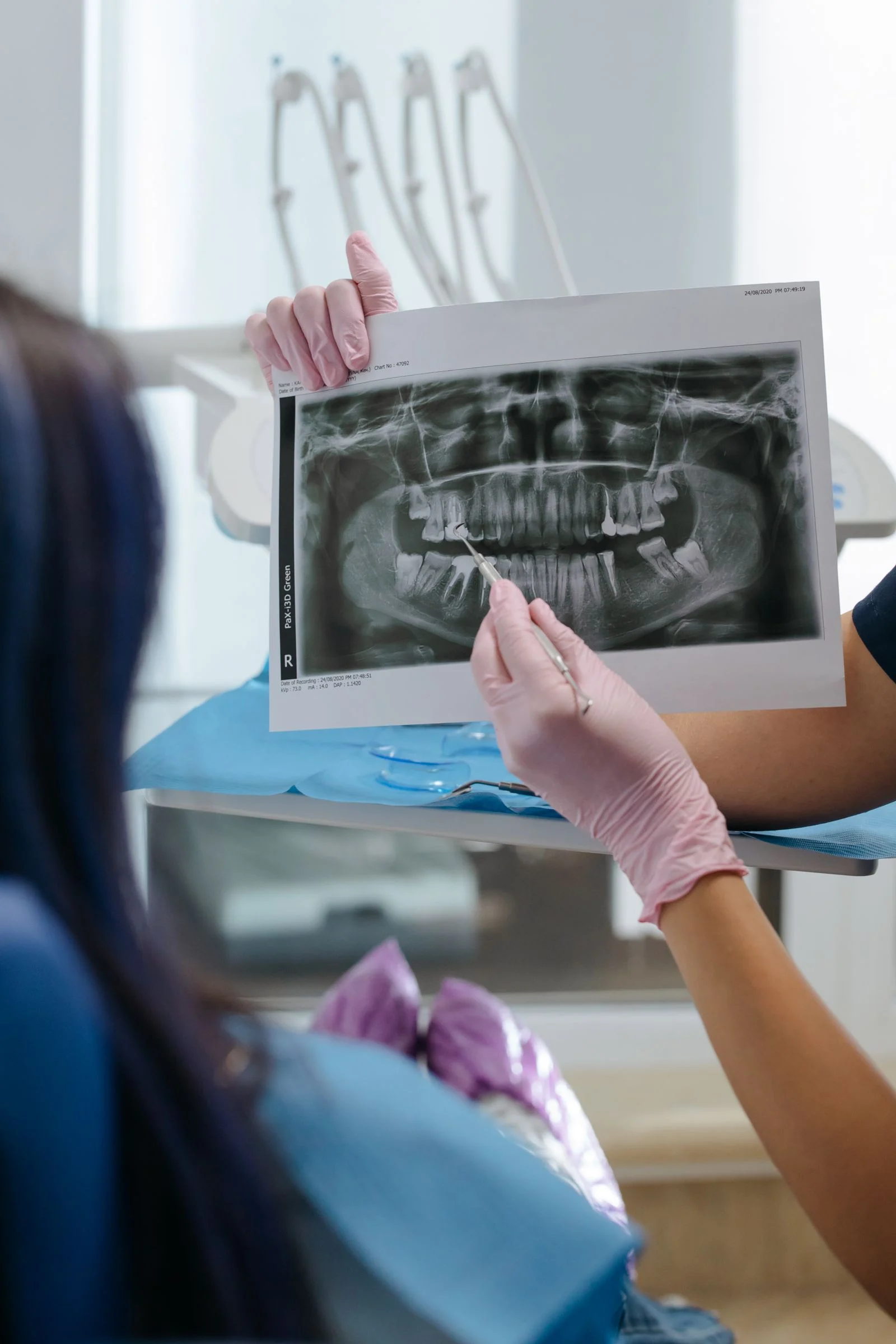
How successful are dental implants? Across large clinical follow up studies, implants are among the most predictable procedures in dentistry, with long term survival reported in the region of ninety five percent over ten years. That figure describes averages, though, and averages hide the part that matters to you: success depends less on the implant itself and more on bone quality, gum health and habits like smoking.
Put differently, the screw rarely fails on its own. What fails is the environment around it. Below we explain what the numbers actually measure, which factors move your personal odds up or down, and how to tell early whether an implant is settling properly.
Don't Delay Your Treatment
Let's create your personalised treatment plan right away with a complimentary consultation with our specialist dentists.
Table of Contents
How successful are dental implants according to the studies?
Most published figures describe survival, meaning the implant is still in place and functioning at the follow up point. Success is a stricter definition, adding requirements about bone levels, absence of infection and no pain or mobility. The two words often get used interchangeably in marketing, which is why the same treatment can be quoted at slightly different percentages.
This distinction matters when you compare clinics. A survival figure counts an implant that is technically in place but surrounded by bone loss. When you ask how successful are dental implants at a specific clinic, the useful follow up question is which definition they are using and over how many years.
What affects how successful are dental implants in your case?
The factors below explain almost all of the variation between patients. None of them is a yes or no gate, they shift probability, and most can be improved before surgery. This is exactly why planning matters more than the brand name on the screw:
- Bone volume and density. The implant needs enough bone to hold it while it fuses.
- Gum health. Untreated gum disease is the most common reason for late failure.
- Smoking. It slows healing and measurably raises the risk of loss.
- Controlled diabetes and general health. Uncontrolled blood sugar impairs healing.
- Bite forces and grinding. Unmanaged clenching overloads the implant.
- Maintenance. Implants need cleaning and check ups exactly like natural teeth.
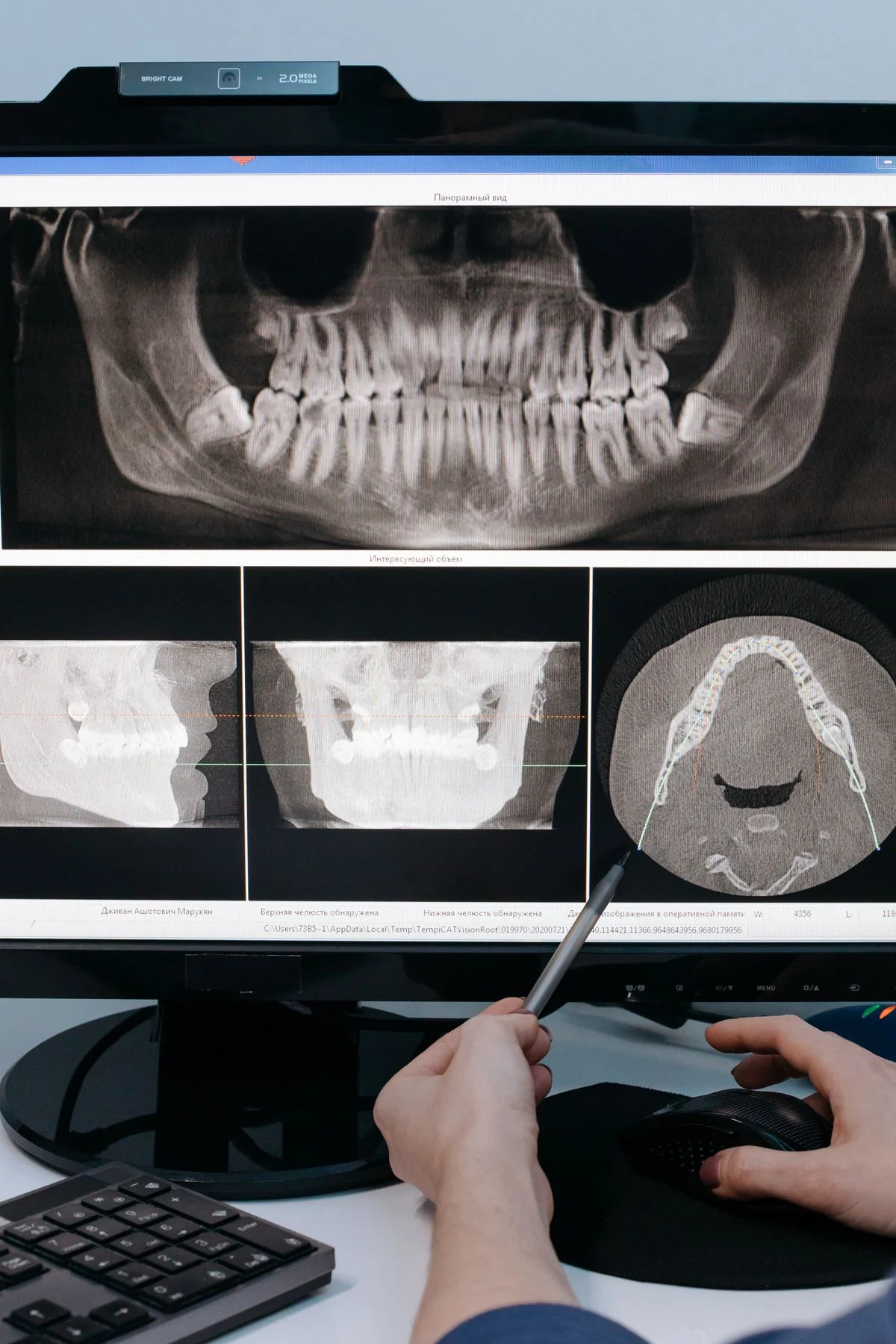
Two of these are settled before you sit in the chair, and they carry most of the weight in how successful are dental implants for you. Bone volume is measured on a scan, and gum disease is treated first. That is why a clinic that plans dental implants from a CT scan is protecting your success rate, not adding steps for the sake of it.
The remaining factors are shared between clinic and patient. We can build the plan correctly, but cleaning, quitting smoking and wearing a night guard are daily habits, and they carry real weight over ten years.
Don't Delay Your Treatment
Let's create your personalised treatment plan right away with a complimentary consultation with our specialist dentists.
How successful are dental implants when there is bone loss?
Not if it is addressed. Where bone height or width is insufficient, grafting rebuilds the site and success rates after healing approach those of untreated bone. In severe upper jaw loss, implants can be anchored in the cheekbone instead, an approach we describe on our zygomatic dental implants page, and it avoids waiting for a graft to mature. Our pages on bone graft and sinus lift explain when each route applies, and we covered the full arch version in our article on all-on-4 with bone loss.
Does smoking cause implant failure?
It raises the risk rather than guaranteeing failure. Smoke reduces blood supply to the healing site and weakens the soft tissue seal around the implant neck, which is the barrier that keeps bacteria out. Stopping before surgery and through the healing weeks measurably improves the odds. Patients who cannot stop entirely are still treated, but they need tighter maintenance intervals.
How long do successful implants last?
How successful are dental implants over decades is a separate question from survival at ten years. A well integrated implant can serve for decades, and the part that usually needs attention first is the crown on top rather than the screw in the bone. Crowns face wear and can chip, while the implant body stays put. We looked at the lifespan question in detail in our article on how long dental implants last.
What are the early signs of a failing implant?
Most failures announce themselves, and early attention usually saves the implant, which is part of why how successful are dental implants also depends on follow up. In the first weeks, mild swelling and discomfort are normal. What is not normal is pain that increases after the third day, a bad taste, discharge, or any sense of movement in the implant.
Later on, the warning signs shift to the gum. Bleeding when brushing around the implant, gum that recedes and exposes the metal collar, or a crown that suddenly feels higher when you bite all deserve a check. Peri implantitis, the infection of tissue around an implant, responds far better when caught early than when it has already eaten into bone.
Don't Delay Your Treatment
Let's create your personalised treatment plan right away with a complimentary consultation with our specialist dentists.
How does the clinic influence success?
Two clinics using the same implant brand can produce different outcomes, because the variables that matter are planning and execution. Position and angle decide how forces travel into the bone. Primary stability at placement decides whether a temporary tooth can be fitted that day. Prosthetic design decides whether cleaning around the bridge is realistic at home.
So when you ask how successful are dental implants, the honest answer includes who is doing the work. A clinic that scans first, names the surgeon, uses a widely available implant system and sets a maintenance schedule is shaping your ten year outcome long before the surgery itself.
To summarise, how successful are dental implants is best answered in two parts. The published averages are high, around ninety five percent survival at ten years, and your personal figure moves with bone quality, gum health, smoking and maintenance. Get a scan, treat the gums first and keep the check ups, and how successful are dental implants stops being a statistic and becomes a plan you control.
How successful are dental implants?
Large follow up studies report long term survival in the region of ninety five percent over ten years, which places implants among the most predictable procedures in dentistry. How successful are dental implants in your own case depends on bone quality, gum health, smoking and maintenance rather than on the brand of the implant.
What is the main cause of implant failure?
Late failures are most often caused by infection of the tissue around the implant, usually linked to untreated gum disease and poor cleaning. Early failures relate to insufficient bone support or disturbed healing.
Can an implant fail years later?
Yes, and this is why maintenance matters. Peri implantitis develops slowly around a previously stable implant. Caught early it is treatable, which is why annual check ups and cleaning appointments are part of the treatment, not an optional extra.
Does smoking mean I cannot have implants?
No, but it raises the risk of loss because it slows healing and weakens the tissue seal around the implant. Stopping before surgery and during the healing period measurably improves the outcome.
Are implants still successful after bone grafting?
Yes. Once the graft has matured, success rates approach those in untreated bone. In severe upper jaw loss, zygomatic implants anchored in the cheekbone are an alternative that avoids the graft waiting period.
How do I know my implant is healing well?
Discomfort should decrease after the first few days, not increase. Pain that grows after day three, discharge, a bad taste or any movement in the implant needs an appointment. Later on, bleeding gums around the implant or an exposed metal collar are the signals to watch.