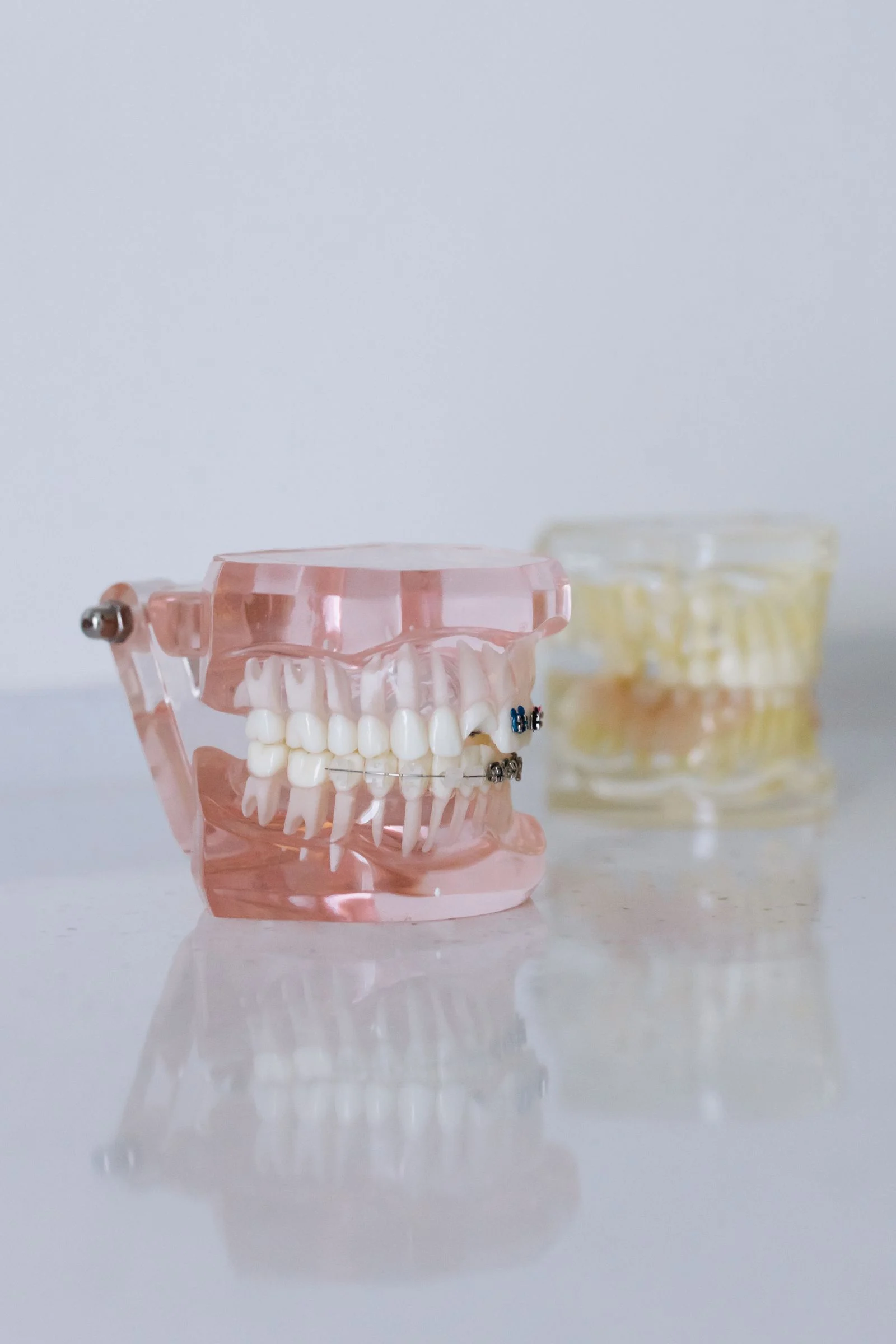
You’ve worn a full denture for a few years, it clicks when you eat, and your dentist has mentioned something called overdentures. So what are implant retained dentures, and are they actually worth the extra outlay compared to the plate you already own? The short answer is yes for most people who struggle with a loose lower denture, but the detail matters.
This guide walks through how implant retained dentures work, who they suit, how they differ from full-arch fixed bridges, and what aftercare looks like once you’re back in the UK.
Don't Delay Your Treatment
Let's create your personalised treatment plan right away with a complimentary consultation with our specialist dentists.
Table of Contents
What exactly is an implant-retained denture?
An implant-retained denture (often called an overdenture) is a removable denture that clips onto dental implants placed in the jaw. Instead of relying on suction and paste, the denture snaps onto 2 to 4 implants using small attachments, either ball-and-socket studs (Locator style) or a metal bar that runs between the implants.
You still take it out at night to clean it. The difference is that when it’s in, it doesn’t move. You can bite into an apple without the plate lifting, and the lower denture stops rocking when you speak.
How is it different from All-on-4 or a fixed bridge?
This is where a lot of UK patients get confused. An overdenture is removable. An All-on-4 or All-on-6 bridge is fixed, screwed in, and only the dentist can remove it. Both use implants, but the final prosthesis is very different.
The trade-offs are worth spelling out:
- Overdenture: fewer implants (usually 2 to 4), lower cost, easier to clean at home, still covers the palate on upper cases.
- Fixed full-arch bridge: more implants (4 to 6), higher cost, feels like real teeth, no palate coverage, harder to clean around.
If budget or bone volume is tight, the overdenture route often wins. If you never want to take teeth out again, a fixed bridge suits better. A good comparison of both options is covered in this full mouth implants vs dentures breakdown.
Don't Delay Your Treatment
Let's create your personalised treatment plan right away with a complimentary consultation with our specialist dentists.
How many implants do you actually need?
For a lower overdenture, 2 implants is the accepted minimum in most clinical guidelines. Studies from the McGill consensus (2002, still cited today) confirmed 2 implants in the lower jaw as the standard of care for edentulous patients over traditional dentures.
For an upper overdenture, 4 implants is safer. The upper jaw has softer bone, and the palate is often removed from the denture design so you can taste food properly, which means the implants need to carry more load.
Does the procedure hurt?
The surgery itself is done under local anaesthetic, sometimes with sedation if you’re anxious. Most patients describe day 3 to day 5 as the worst for swelling and tenderness, then it settles quickly. For a realistic account of what to expect, this piece on whether dental implants hurt is worth reading before you commit.
Bruising along the lower jaw is common. Ibuprofen and paracetamol handle it for most people. You’ll be on soft food for around 10 to 14 days.
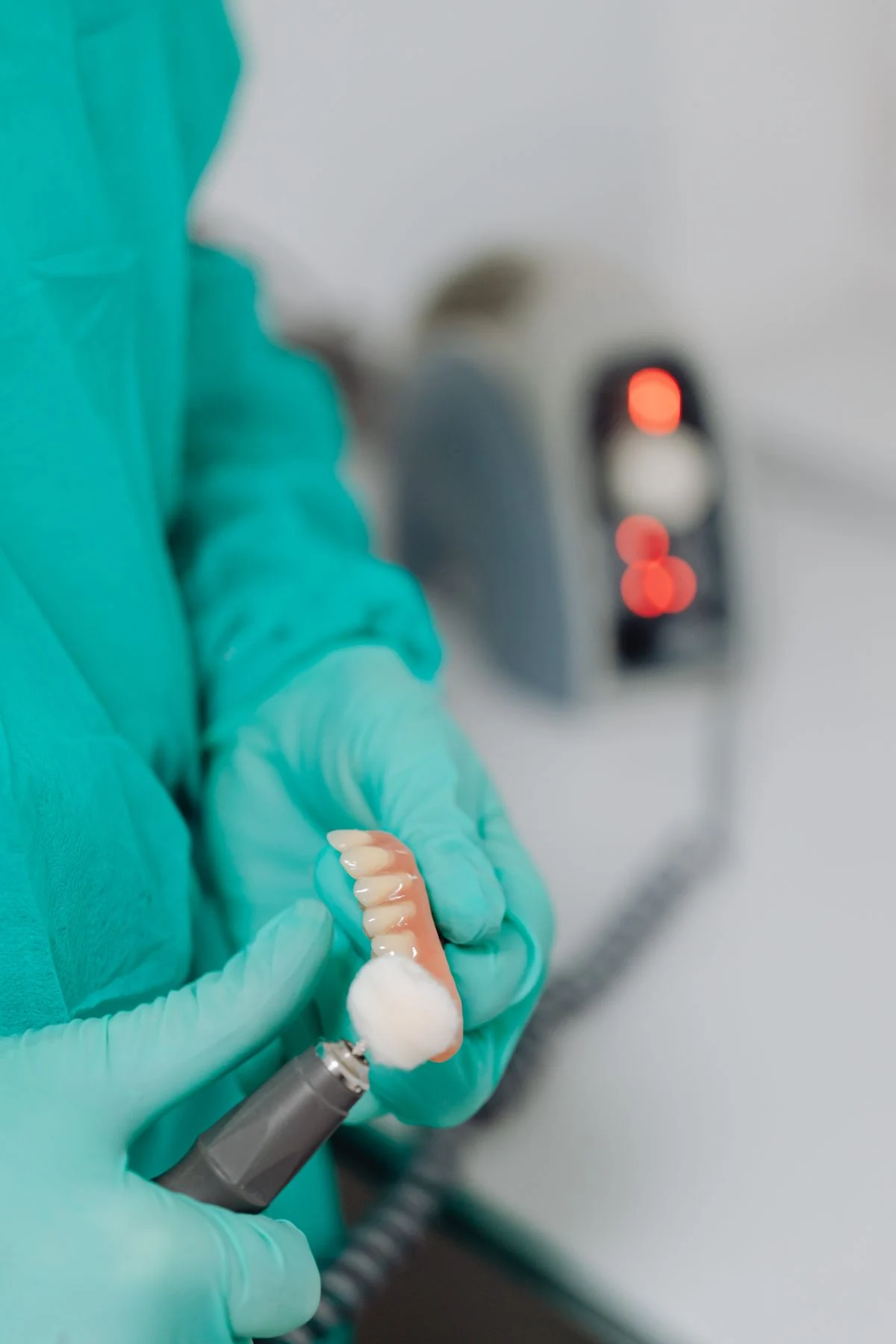
What about bone loss? Can I still have this done?
Long-term denture wearers often have significant bone resorption, especially in the lower jaw. The good news is implant retained dentures need less bone than fixed bridges because you’re placing fewer implants in the front of the jaw where bone tends to survive best.
Don't Delay Your Treatment
Let's create your personalised treatment plan right away with a complimentary consultation with our specialist dentists.
If bone is very thin, options include bone grafting or a sinus lift, or in severe upper-jaw cases, zygomatic implants that anchor into the cheekbone. A CBCT scan tells you which route is realistic.
How much do implant-retained dentures cost in the UK vs Turkey?
In the UK, a two-implant lower overdenture typically runs £4,500 to £7,000, and a four-implant upper overdenture can reach £8,000 to £12,000 depending on the city and the implant brand. Prices in Turkey for implant retained dentures are considerably lower, which is why many British patients travel.
Actual figures depend on your bone, the number of implants, and whether you need grafting. A precise quote requires an X-ray or CBCT scan, so treat any flat price online with caution. If you want a case-specific figure, an examination is essential. You can see the wider dental implants in Turkey options first.
What does aftercare look like once you’re back home?
This is the trust gap most clinics won’t discuss. Implant retained dentures need real maintenance. The nylon inserts inside the attachments wear down and need replacing roughly every 12 to 24 months, and this is something your UK dentist should be willing to do. Ring ahead before you travel and confirm they’ll service Locator or bar attachments.
You’ll also need annual reviews, professional cleaning around the implants, and a night guard if you grind. Skip this and peri-implantitis becomes a real risk, as covered in the article on how long dental implants last.
Don't Delay Your Treatment
Let's create your personalised treatment plan right away with a complimentary consultation with our specialist dentists.
Who is a good candidate?
Implant retained dentures suit people who have lost most or all teeth in one arch, hate the movement of a conventional denture, and want a stable bite without the price of a fixed bridge. They also help older patients who find cleaning fixed work difficult, because the denture comes out for cleaning at the sink.
They’re less ideal if you want a prosthesis you never remove, or if your gag reflex means you can’t tolerate any palate coverage. In that case, a fixed full mouth implant solution makes more sense.
If you’re weighing up implant retained dentures and unsure which route your jaw and budget suit, a professional assessment is essential before anything is decided. At GençDental we treat UK patients in Istanbul, so send your X-ray or clinical photos for a free, no-obligation treatment plan and quote.
Can I sleep with implant-retained dentures in?
No. You should remove them at night to clean them and let the gums rest. Sleeping in them raises the risk of gum inflammation and bacterial buildup around the implants.
How long do the implants themselves last?
The implants can last 20 years or more with good hygiene. The denture on top usually needs relining every 3 to 5 years, and the attachment inserts need replacing every 1 to 2 years.
Will my speech change?
Most people adapt within a week or two. Because the denture doesn’t slip, speech usually improves compared to a conventional plate, especially on the lower jaw.
Can I eat steak and apples with an overdenture?
Yes, once healing is complete. Bite force is roughly 3 to 4 times higher than with a conventional denture, so most foods are back on the menu, though very hard items like ice should be avoided.
How many trips to Turkey does it take?
Usually two visits. The first trip covers surgery and a temporary denture, then 3 to 4 months of healing at home, then a second trip of around 5 to 7 days to fit the final overdenture.