You’ve lost a tooth, your dentist has brought up implants, and now you’re left wondering what you’ve actually agreed to. Here’s the straight answer: dental implants are tiny titanium screws inserted into the jawbone to take the place of a missing tooth’s root. On top of that screw goes a crown, bridge or denture. Dentists have been using dental implants since the 1960s, and today they’re widely seen as the gold standard for tooth replacement — long-term studies put success rates at around 95% over a decade.
That said, dental implants aren’t for everyone, and the marketing can make the whole thing sound a lot simpler than it actually is. So here’s a straightforward rundown of how they work, what the surgery is really like, and what UK patients should realistically expect along the way.
Don't Delay Your Treatment
Let's create your personalised treatment plan right away with a complimentary consultation with our specialist dentists.
Table of Contents
How does a dental implant actually work?
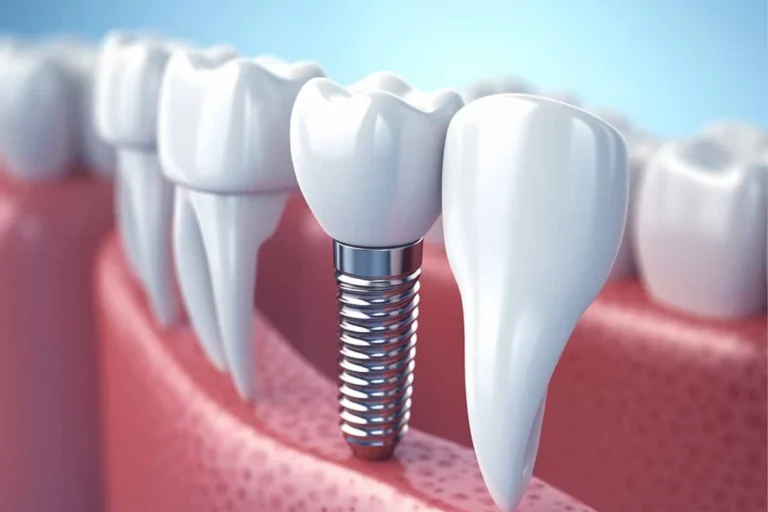
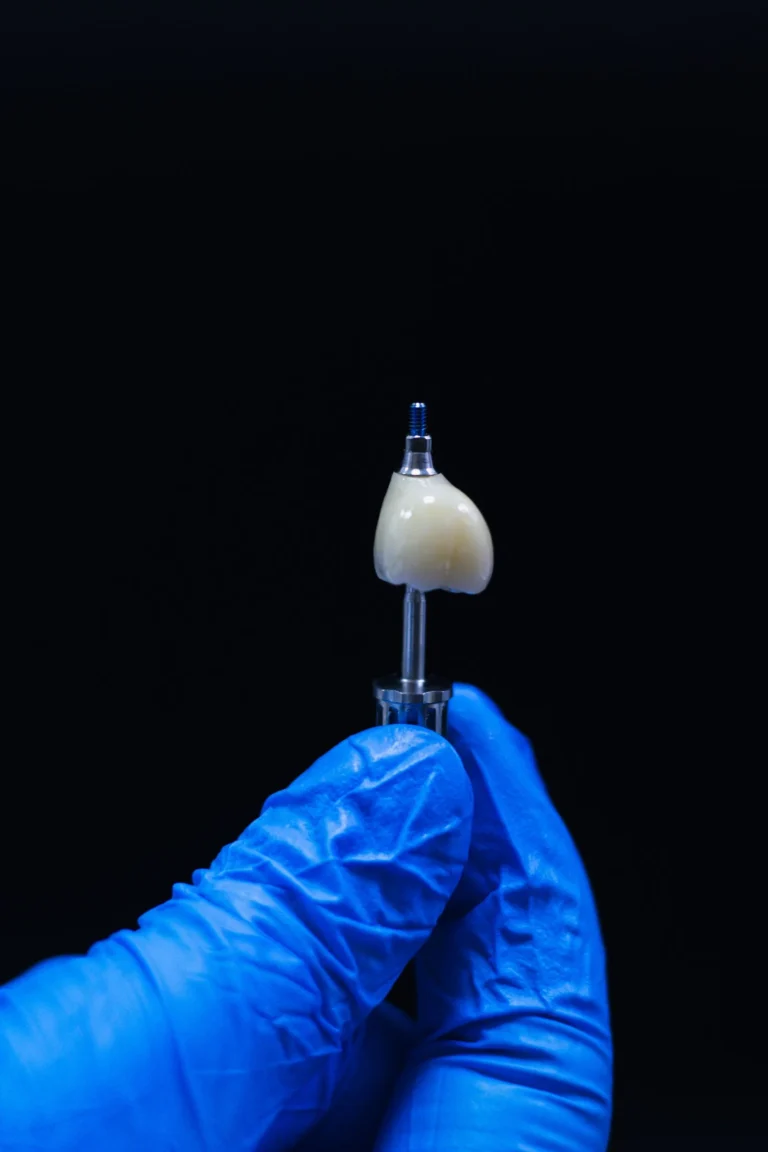
A dental implant has three parts. The fixture is the titanium screw placed into the bone. Sitting on top of the screw, just above the gum, is a small connector called the abutment. Finally, the crown is the visible tooth-shaped cap that fits onto the abutment.
Titanium is the material of choice because bone actually fuses to it directly—a process known as osseointegration. Healing usually takes somewhere between 3 and 6 months after surgery, with the exact timeline depending on bone quality and whether you’re dealing with the upper or lower jaw. Once that fusion happens, the implant essentially acts like a natural tooth root. That’s what allows it to handle chewing forces in the 200–250 Newton range, much like a real tooth would.
Who is a good candidate?
Most healthy adults with enough bone in the jaw can have dental implants. The factors that matter most are bone volume, gum health, age (the jaw must have finished growing, so usually 18+), and general health. Smokers and people with uncontrolled diabetes have a higher risk of implant failure, and your dentist should be honest about that.
If bone is thin or has shrunk after years of missing teeth, a bone graft or sinus lift may be needed first. For patients with severe bone loss in the upper jaw, zygomatic implants anchored into the cheekbone are an alternative to grafting.
How painful is the procedure?
The surgery itself isn’t painful—you’re under local anaesthetic, so you’ll feel pressure but nothing sharp. Most people compare the soreness afterwards to having a tooth pulled: uncomfortable, but manageable with ibuprofen or paracetamol for the first 2 to 4 days. Swelling tends to peak around day 2 or 3 before easing off.
Don't Delay Your Treatment
Let's create your personalised treatment plan right away with a complimentary consultation with our specialist dentists.
Anyone who tells you implant surgery is painless isn’t being straight with you. It’s minor oral surgery, plain and simple—so plan on taking it easy for a weekend afterward.
How long does the whole treatment take?
A typical single implant case runs about 4 to 6 months, from the initial surgery through to placement of the final crown. Here’s roughly how the timeline breaks down:

- Consultation, X-rays and CT scan (1 visit)
- Implant placement surgery (1 visit, around 1 hour)
- Healing and osseointegration (3-6 months)
- Abutment and crown fitting (1-2 visits)
For full-arch cases, same-day protocols like All-on-4 or All-on-6 — a form of same-day implant treatment — make it possible to fit a temporary fixed bridge on the very day of surgery. Once healing has fully taken place a few months down the line, the permanent bridge is then placed.
Which implant brands actually matter?
A dental implant is, after all, a medical device, and brand quality really does matter here. Among the trusted systems used globally are Straumann (Swiss-made), Nobel Biocare, and Osstem — all backed by decades of clinical data, with spare parts readily available worldwide should you ever need a repair down the line. Whether you’re being treated in the UK or overseas, ask your dentist exactly which brand they intend to use, and don’t forget to request the implant passport afterwards.
What do dental implants cost?
In the UK, you’re typically looking at £2,000–£2,500 for a single implant with crown when going private. Full-arch treatments? These can climb anywhere from £12,000 to £25,000 per jaw. As for the NHS, dental implants aren’t usually offered unless there’s a clear clinical need.
Don't Delay Your Treatment
Let's create your personalised treatment plan right away with a complimentary consultation with our specialist dentists.
Costs in Turkey are considerably lower due to differences in lab costs, overheads and currency, but the exact figure depends on bone condition, brand chosen and number of implants. It varies case by case, and an examination is needed for an accurate plan. You can read more on the dental implants page or, for edentulous patients, the full mouth implants page.
How long do dental implants last?
With proper hygiene, the titanium fixture itself can last 20 years or longer. Studies show that roughly 90-95% of dental implants are still going strong at the 10-year mark. The crown sitting on top, however, has a shorter life—typically 10-15 years—before everyday wear takes its toll and replacement becomes necessary.
The single greatest threat to an implant’s longevity is peri-implantitis—a gum infection that develops around the implant itself. Daily brushing, cleaning between the teeth, and routine check-ups can keep it at bay, yet it remains the leading cause of late implant failure.
What about aftercare once you’re back home?
This is the bit dental tourism marketing tends to gloss over. Even if your dental implants are placed abroad, you’ll still need a UK dentist or hygienist for routine cleans, X-rays at the 6 and 12-month marks, and anything unexpected that crops up. Sort this out before you fly, not once you’re back. Any decent overseas clinic will hand you written records, your implant passport, and a clear aftercare schedule to pass on to your GP or dentist at home.
If you’re weighing up your options, getting a professional assessment is essential. At GençDental, we look after UK patients in Istanbul. Just send us your X-ray or a few photos, and we’ll put together a free, no-obligation treatment plan and quote — along with honest advice on whether dental implants are really the right route for your particular case.
Don't Delay Your Treatment
Let's create your personalised treatment plan right away with a complimentary consultation with our specialist dentists.
Are dental implants safe?
Yes, titanium dental implants have been used for over 50 years and have a strong safety record, with 10-year success rates of around 95%. Risks exist, as with any surgery, but they’re well documented and manageable with a properly trained surgeon.
Can I get dental implants on the NHS?
Implants are very rarely available on the NHS and only in specific clinical situations, such as after mouth cancer or major trauma. For most patients in the UK, implants are a private treatment.
How soon after a tooth extraction can I have an implant?
Sometimes an implant can be placed immediately after extraction in the same appointment. In other cases the socket needs 2 to 4 months to heal first. A CT scan and clinical exam decide which approach is safer for your case.
Do dental implants feel like real teeth?
Once fully healed, most patients say implants feel almost identical to natural teeth when biting and chewing. They don’t have a nerve, so they won’t feel hot or cold, but functionally they’re the closest replacement available.
What can cause a dental implant to fail?
The main causes are smoking, uncontrolled diabetes, poor oral hygiene leading to peri-implantitis, and excessive bite forces from grinding. Choosing an experienced surgeon and a reputable implant brand also significantly reduces risk.