

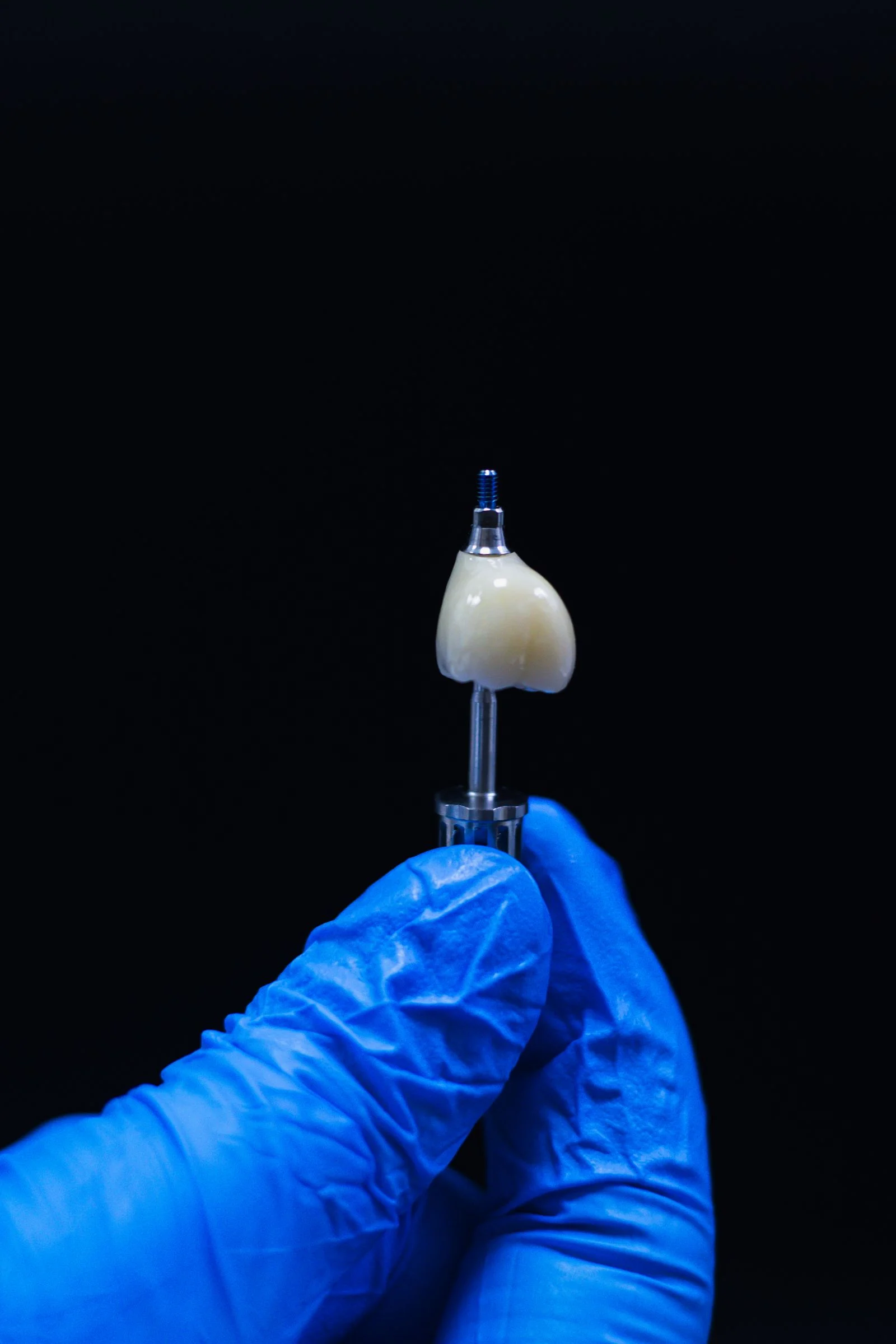
You’ve been told you need an implant, then the dentist mentions endosteal, zygomatic, mini, All-on-4, and suddenly the decision feels bigger than the missing tooth. The honest answer is that the types of dental implants aren’t marketing labels. They’re clinical solutions for very different jawbone situations, and picking the right one matters more than the brand on the box.
This guide walks through every mainstream implant type used in the UK and Europe, what each one solves, and how surgeons decide which fits your mouth.
Don't Delay Your Treatment
Let's create your personalised treatment plan right away with a complimentary consultation with our specialist dentists.
Table of Contents
What actually counts as a dental implant?
A dental implant is a small screw, usually titanium, placed into the jawbone to replace a tooth root. A crown, bridge or full arch sits on top. What changes between the various types of dental implants is the shape of the screw, where it sits in the bone, how many you need, and how quickly you can load a tooth onto it. Everything else is variation on that theme.
Endosteal implants: the standard workhorse
Endosteal implants are placed directly into the jawbone and account for the vast majority of implants fitted in the UK. They’re screw-shaped, made from titanium (or occasionally zirconia), and rely on osseointegration, the process where bone fuses to the implant surface over roughly 3 to 6 months.
If you’ve lost one tooth or a few teeth and your jawbone is healthy, this is almost certainly what you’ll be offered. Success rates in published studies sit around 95 to 98% at ten years for well-placed endosteal implants. For anyone weighing a fixed alternative to a bridge, it’s worth reading single tooth implant vs bridge before deciding.
Subperiosteal implants: rare, but still used
Subperiosteal implants sit on top of the jawbone, under the gum, rather than being drilled into it. A custom metal frame holds the artificial teeth. They were common decades ago and are now reserved for patients who cannot have bone grafting and whose jawbone is too shallow for a standard screw. Most modern clinics use them rarely, because zygomatic implants often solve the same problem more predictably.
Zygomatic implants: when the upper jaw has collapsed
If you’ve lost significant bone in the upper jaw, standard implants can’t anchor properly. Zygomatic implants are longer (30 to 55 mm) and anchor into the cheekbone (zygoma) instead of the maxilla. Among the types of dental implants available, these avoid the need for extensive sinus lifts or grafting and often allow same-day fixed teeth.
Don't Delay Your Treatment
Let's create your personalised treatment plan right away with a complimentary consultation with our specialist dentists.
This is specialist territory. Fewer surgeons place them, and case selection matters. If your UK dentist has told you “there isn’t enough bone,” zygomatic dental implants may be worth discussing before you accept dentures as the only option.
Mini dental implants: smaller diameter, narrower use
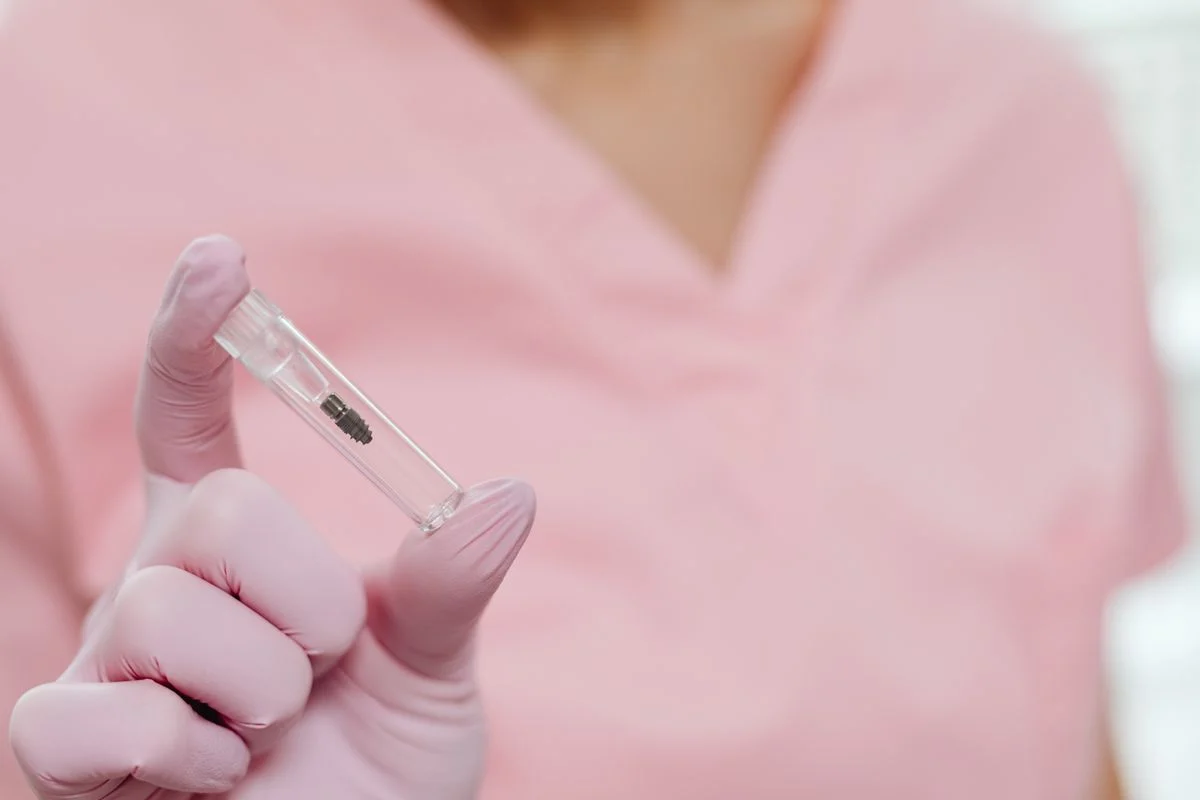
Mini implants are around 1.8 to 3.0 mm wide, compared with 3.5 to 5 mm for standard. They’re used to stabilise lower dentures, replace small front teeth where space is tight, or in patients who can’t tolerate major surgery. They’re not a shortcut to a cheaper mouth, though. Long-term data is thinner, and they aren’t ideal for chewing-heavy molar positions.
All-on-4 and All-on-6: full-arch solutions
When most or all teeth in one jaw are gone, replacing each with an individual implant isn’t practical or affordable. Full-arch systems use 4 to 6 implants to support a fixed bridge of 10 to 14 teeth.
- All-on-4 tilts the two back implants to avoid the sinus and use existing bone. Often loaded with temporary teeth the same day.
- All-on-6 adds two more implants for greater stability, useful in the upper jaw or larger bite forces.
- Full-mouth dental implants may combine both arches, sometimes with 8 or more implants per jaw for maximum durability.
The right choice depends on bone volume, bite force, and how the opposing arch is restored. For a direct comparison, see the difference between All-on-4 and All-on-6.
Titanium or zirconia: does the material matter?
Titanium has been the standard for over 50 years. It’s biocompatible, strong, and osseointegrates reliably. Zirconia is a ceramic alternative, metal-free, tooth-coloured at the gumline, and appealing for patients with metal sensitivity or thin gum tissue where a grey shadow might show. Zirconia is more brittle in one-piece designs and has less long-term data. Which of these types of dental implants is better depends on your case, and this piece on titanium vs zirconia implants covers the trade-offs.
Don't Delay Your Treatment
Let's create your personalised treatment plan right away with a complimentary consultation with our specialist dentists.
Same-day vs delayed loading
Loading refers to when a tooth goes onto the implant. Delayed loading (3 to 6 months healing before the crown) is still the gold standard for single implants in soft bone. Same-day implants place a temporary tooth immediately, usually in full-arch cases with primary stability above 35 Ncm. Both work when the surgeon picks the right candidate. Neither is universally better.
How do surgeons decide which type is right?
A CBCT scan measures bone height and width. Medical history flags diabetes, smoking, or bisphosphonate use. The number and position of missing teeth dictate whether you need one implant, four, or a full bridge. Bite force, gum thickness and budget all feed in. Across all types of dental implants, there isn’t a universal “best” option. There’s a best implant for your jaw. If you’re unsure where you fit, a professional assessment is essential rather than guesswork from forums.
The right implant type isn’t the most expensive or the newest. It’s the one matched to your bone, your bite and the tooth you want to eat with in five years. At GençDental we treat UK patients in Istanbul, so send your X-ray or intraoral photos and we’ll come back with a free, no-obligation treatment plan and quote.
What is the most common type of dental implant in the UK?
Endosteal implants placed directly into the jawbone account for the vast majority of cases. They suit single missing teeth, small gaps and most full-arch restorations when bone volume is adequate.
Are zygomatic implants safe?
Yes, when placed by an experienced maxillofacial surgeon. They have been used since the 1990s with published success rates above 95%. They’re specialist procedures reserved for severe upper jaw bone loss.
Can I choose zirconia instead of titanium?
In many cases yes, especially for front teeth or if you have metal sensitivity. Zirconia is tooth-coloured and metal-free, but titanium still has the longest track record and more flexibility in multi-piece designs.
How many implants do I need for a full arch?
Usually 4 to 6 per jaw for a fixed bridge. All-on-4 works well in most lower jaws, whilst upper jaws or heavy bite forces often benefit from All-on-6 or more.
Do all implant types last the same time?
Well-placed titanium endosteal implants have 10-year survival rates around 95 to 98%. Mini implants and one-piece zirconia have shorter published data. Longevity depends more on gum health, smoking and aftercare than the implant type itself.
How do I know which type I need?
A CBCT scan and clinical examination are essential. Bone volume, medical history, number of missing teeth and bite pattern all shape the recommendation. No blog can replace an in-person or remote assessment with X-rays.


