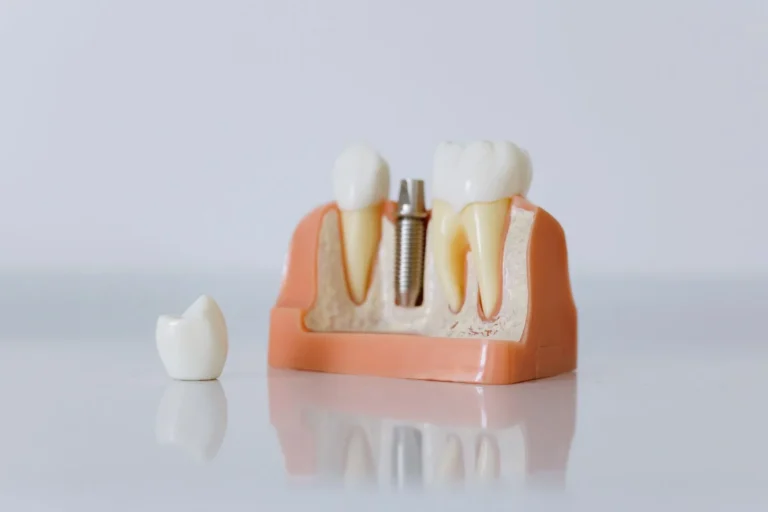
So your dentist told you a tooth has to go, and now there’s this question that probably came up almost as a side note: titanium or zirconia implants, which one? Honestly, it’s a smart thing to wonder about. Both materials have spent decades inside people’s mouths. Both bond to bone. And either can hold up for 20 years or longer. Where they part ways is in how they behave day to day, what they’ll set you back, and the kind of patient they actually fit.
Straight talk first. For most people weighing titanium against zirconia implants, titanium remains the workhorse and the safer clinical bet. Zirconia is the newer metal-free alternative, and it solves a narrower set of problems: aesthetics at the gumline, plus the handful of real metal sensitivities out there. Which material wins for you really comes down to where the tooth sits, your gum biotype, and what your budget looks like.
Don't Delay Your Treatment
Let's create your personalised treatment plan right away with a complimentary consultation with our specialist dentists.
Table of Contents
What are dental implants actually made of?
A dental implant is that screw-shaped post anchored into the jawbone to take the place of a missing root. What sits on top, the crown, is a separate piece. Titanium implants use a medical-grade titanium alloy, the same stuff that’s gone into hip replacements since the 1960s. Zirconia ones are made of zirconium dioxide, a white ceramic with zero metal content. If you’d rather get the basics down first, this short primer on what dental implants are is a solid place to begin.
How strong is each material?
When it comes to raw mechanical performance, titanium takes the prize. It gives a little under bite pressure, much like real bone does, and fractures are almost unheard of. Zirconia? Harder material, sure, but also more brittle. The newer zirconia implants have come a long way, with recent studies pushing fracture rates under 1%, yet if you’re looking at the molars at the back of the mouth, where the chewing load is heaviest, titanium still has the better long-term track record.
If you’re a tooth grinder or need an implant placed back in the molar zone, titanium is the safer bet. Zirconia holds up nicely for a single front tooth when the patient’s bite is normal.
Which one looks more natural?
Here’s where zirconia really pulls ahead. Titanium, by nature, is a dark grey metal. If a patient happens to have thin gum tissue, that greyish tone can bleed through and leave a faint shadow right along the gumline, and you’ll notice it most around the upper front teeth. Zirconia, being ivory white, simply doesn’t pose that risk.
Still, in roughly 95% of cases a skilled surgeon can tuck a titanium implant neatly under healthy gum tissue. Worried about how it’ll look on a tooth that actually shows when you smile? Have a look at our guide on getting an implant for a front tooth before you make up your mind.
Don't Delay Your Treatment
Let's create your personalised treatment plan right away with a complimentary consultation with our specialist dentists.
How does the gum react to each?
Looking at titanium versus zirconia implants through the lens of soft tissue, zirconia picks up less plaque and usually leaves the surrounding gum a touch calmer. A few studies point to reduced rates of peri-implantitis, that inflammatory process which can put an implant at risk down the road. Real difference, yes, but a modest one. What you do with a toothbrush and floss carries far more weight than which material sits in your jaw.

What about metal allergies?
Genuine titanium allergy doesn’t show up often. The figures suggest somewhere around 0.6% of people. Had a reaction to costume jewellery, the back of a watch, or a surgical implant before? Then a MELISA test can pin down the sensitivity ahead of any operation. Zirconia is the clear pick when allergy is confirmed. For the rest of us, though, the allergy case for zirconia gets blown out of proportion.
Healing time and surgical technique
Both fuse with bone (a process called osseointegration) over roughly 3 to 6 months. Titanium has a small edge on this front, since its surface treatments have been refined to speed up healing – part of why brands like Straumann and Osstem still set the global standard. With zirconia, you’re almost always looking at a one-piece implant, so the crown angle gets locked in early and the surgeon has less room to fine-tune alignment down the road.
Need bone augmentation, a sinus lift, or some tricky grafting work? Titanium opens up more doors for your surgical team. For a closer look at when these procedures actually come into play, check our page on bone graft and sinus lift procedures.
What does it cost in the UK?
In the UK, you’re usually looking at £2,000 to £2,500 for a single titanium implant with the crown included. Zirconia runs about 20 to 40% higher, partly because the material itself costs more and partly because not many clinics keep it in stock. The final number really comes down to your specific situation, which is why a proper examination is needed before anyone can give you an accurate quote. Thinking about going abroad? Our dental implants in Turkey page breaks down exactly what’s covered.
Don't Delay Your Treatment
Let's create your personalised treatment plan right away with a complimentary consultation with our specialist dentists.
So which should you pick?
Titanium or zirconia? Here’s the honest breakdown. Go with titanium if you’re replacing a molar, your gums are on the thicker side, bone grafting is on the table, or you just want the implant with the deepest clinical history behind it. Zirconia makes more sense in a narrower set of situations: a verified titanium allergy, paper-thin gum tissue over a front tooth that everyone sees, or a personal preference for keeping metal out of your mouth entirely. And when we’re talking full-arch work like All-on-4 or All-on-6, titanium is still the go-to, because the biomechanics of the case leave little room for anything else.
Honestly, whichever path you choose, what your surgeon does in the chair and how you look after the implant afterwards will outweigh the whole metal-versus-ceramic argument. Brush properly, get floss around the implant, and don’t skip those six-month check-ups with your UK dentist or a GP referral once you’re back home. Not sure which material fits your situation? Then you really do need a proper professional assessment. Here at GençDental, UK patients are a big part of what we do in Istanbul. Pop your X-ray or a few photos over to us and we’ll put together a free treatment plan and quote with no strings attached, plus a straight answer on whether titanium or zirconia is the better call for your mouth.
Are zirconia implants stronger than titanium?
No. Zirconia is harder but more brittle, so it can fracture under heavy bite forces. Titanium flexes slightly and is more reliable for molars and full-arch cases.
Do zirconia implants last as long as titanium ones?
Long-term data on zirconia goes back about 15 years, compared to over 50 years for titanium. Early results are promising, but titanium still has the longer proven track record.
Can I tell if I’m allergic to titanium before surgery?
Yes. A blood test called MELISA can detect titanium sensitivity. True allergy is rare, affecting under 1% of patients, but worth checking if you’ve had metal reactions before.
Will a titanium implant show through my gums?
Only in patients with very thin gum tissue at the front of the mouth. A skilled surgeon can usually prevent this by positioning the implant deeper or using a gum graft.
Are zirconia implants worth the extra cost?
For most patients, no. The extra cost is only justified if you have a confirmed metal allergy or thin gums on a highly visible front tooth. Otherwise titanium gives better value and flexibility.